What Are Tariffs and How Do They Affect U.S. Consumers?
By Tristan Evans, Reporter — March 27, 2026
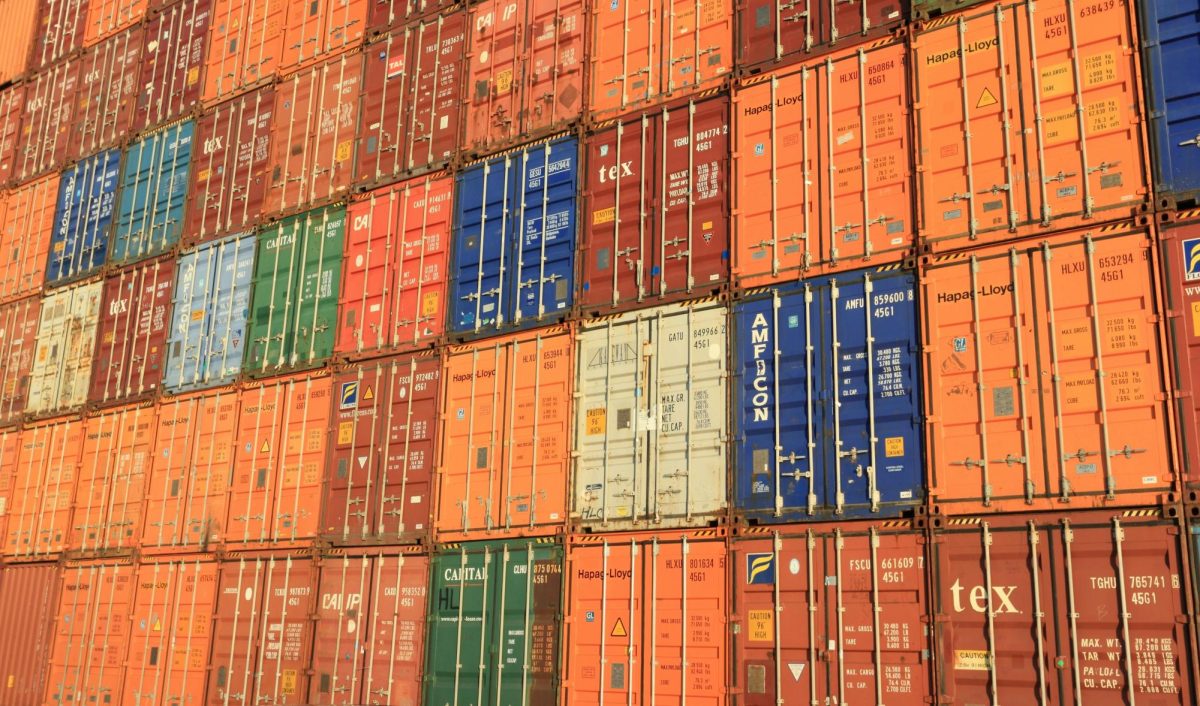
American shoppers could soon feel an extra squeeze on their wallets as President Donald Trump imposes fresh tariffs on products arriving from China, Mexico and Canada. Tariffs were a centerpiece of Trump's campaign, and now that he has taken office as the 45th president, understanding what these taxes are and how they work matters more than ever.
Defining a Tariff
A tariff is a tax levied on goods brought in from another country, and it pushes the price of those goods upward. Tariffs generally come in two forms: ad valorem or specific. Ad valorem tariffs are the more common type, charged as a percentage of the item's value, while specific tariffs are less frequent and simply add a fixed dollar amount to the product's cost. A key point to remember is that the importing nation pays the tax — so when America tariffs Chinese goods, it is Americans footing the bill, not China.
One illustration: in 2018 Trump placed a 25% tariff on Chinese steel to counter unfair trading practices, since Beijing was subsidizing its steel mills and enabling them to undercut American producers.
Benefits of Tariffs
Tariffs can shield domestic industries, reduce trade, or raise government revenue.
- Protecting home industry: In the 1990s, Chinese manufacturers sold paperclips in America at a loss to drive U.S. paperclip makers out of business, prompting the government to impose a 127% tariff on Chinese paperclips.
- Reducing trade: When a country wants less trade with another, tariffs are sometimes used to shrink the volume — as when Joe Biden placed a 35% tariff on Russian goods after Russia invaded Ukraine.
- Raising revenue: Taxing foreign goods is one way governments generate income, though it is rarely the main purpose today; in the 17th century many colonial powers relied on tariffs for extra revenue.
Drawbacks of Tariffs
Taxing foreign goods raises prices for consumers. If a trading partner considers the tariffs too steep, it may respond with its own retaliatory tariffs, which can spark a back-and-forth cycle known as a trade war. Trade wars shrink commerce between nations and fuel inflation. During Trump's first term in 2018, he launched a trade war with China that affected nearly $200 billion in imports, and the resulting higher prices ultimately landed on American consumers.
History offers a cautionary example: the United States Tariff Act of 1930, better known as Smoot-Hawley, is often blamed for deepening the Great Depression. It added a 20% import tax on agricultural and manufactured goods on top of America's existing roughly 40% tax on foreign products, and worldwide international trade fell 66% between 1929 and 1934, with Smoot-Hawley partly to blame. A more recent case is Trump's 2018 tariff on washing machines, which generated $82 million a year while costing American consumers $1.5 billion annually; that tax was removed in February 2023.
Trump's Latest Tariffs
On February 1, Trump placed a 25% tariff on Mexico and Canada and a 10% tariff on China, layered on top of an earlier 10% China tariff. Two days later he granted Mexico and Canada a 30-day reprieve while keeping the China duties, following steps by both nations to tighten border security — including Canada designating Mexican cartels as terrorist groups and Mexico deploying 10,000 troops to its border. On March 4 he enacted the Canada and Mexico tariffs but cut the levy on Canadian energy to 10% and raised the China tariff to 20%. On March 6 he delayed the 25% tariffs on many Canadian and Mexican exports.
The original aim was to pressure these countries to better police their borders and curb the flow of illegal immigrants and fentanyl into America. Fentanyl has become a serious problem in the U.S., with more than 100,000 overdose deaths between May 2020 and April 2021. Most fentanyl entering the country arrives as precursors used to make the drug, produced largely in China, shipped across the Pacific to Mexico, and then smuggled into the United States. Some fentanyl does come through Canada, though less commonly: from January to December 2024, 50 pounds were seized at the Canadian border versus 20,610 pounds at the Mexican border.
Canada responded with its own retaliatory 25% tariffs on roughly $30 billion of U.S. goods on March 4. The EU agreed to match Canada's 25% tariff, affecting about $28.33 billion. On March 13, Canada added another 25% tariff on various U.S. imports, focused on steel and aluminum, worth around $29.8 billion.
The Big Picture
Tariffs are taxes on foreign goods, often used to advance a nation's interests or economy. They can protect domestic industry, generate income, or punish another country — but they are also directly tied to economic downturns. The key to an effective tariff is consistency: applied over a long period, tariffs encourage industry to relocate within a country's borders. Tariffs can be useful, but they must be wielded wisely so they cause more gain than pain.
Support Student Journalism
Your donation helps the student journalists of Harding Charter Preparatory High School cover annual website hosting costs and keep bringing readers the information that matters to them.
DonateMore to Discover
More in HCP News




- Band advances to state
- Seussville comes to life
- Musicians perform with local honor band
- Students' voices soar to All-State stage
- California wildfires burn thousands of acres, destroy homes
- HCP seniors shine!
More in Showcase






About the Contributor
Tristan Evans, Reporter — My name is Tristan Evans, grade 12. I can try to make great articles.
View ProfileShare This Story
Share on FacebookShare on XEmail this StoryLeave a CommentExplore More
Polls ArchiveHomeHCP NewsShowcaseSources
- Investopedia: Ad Valorem Tax
- Investopedia: How Tariffs Protect Domestic Industries
- Investopedia: Trade War
- Britannica: Smoot-Hawley Tariff Act
- AP: Trump Tariffs Timeline
- USAFacts: Fentanyl Seized at U.S. Borders
- CNBC: Canada Tariffs on Steel and Aluminum
- MSN: EU and Canada Retaliatory Duties
- Government of Canada: Response to U.S. Tariffs
Site Links
AdvertiseWhy SNOSNO Sites